














The official logo of San Luis Obispo High School’s Model United Nations club looks as serious as the all star students that participate. Photo courtesy of junior Ethan Chen.
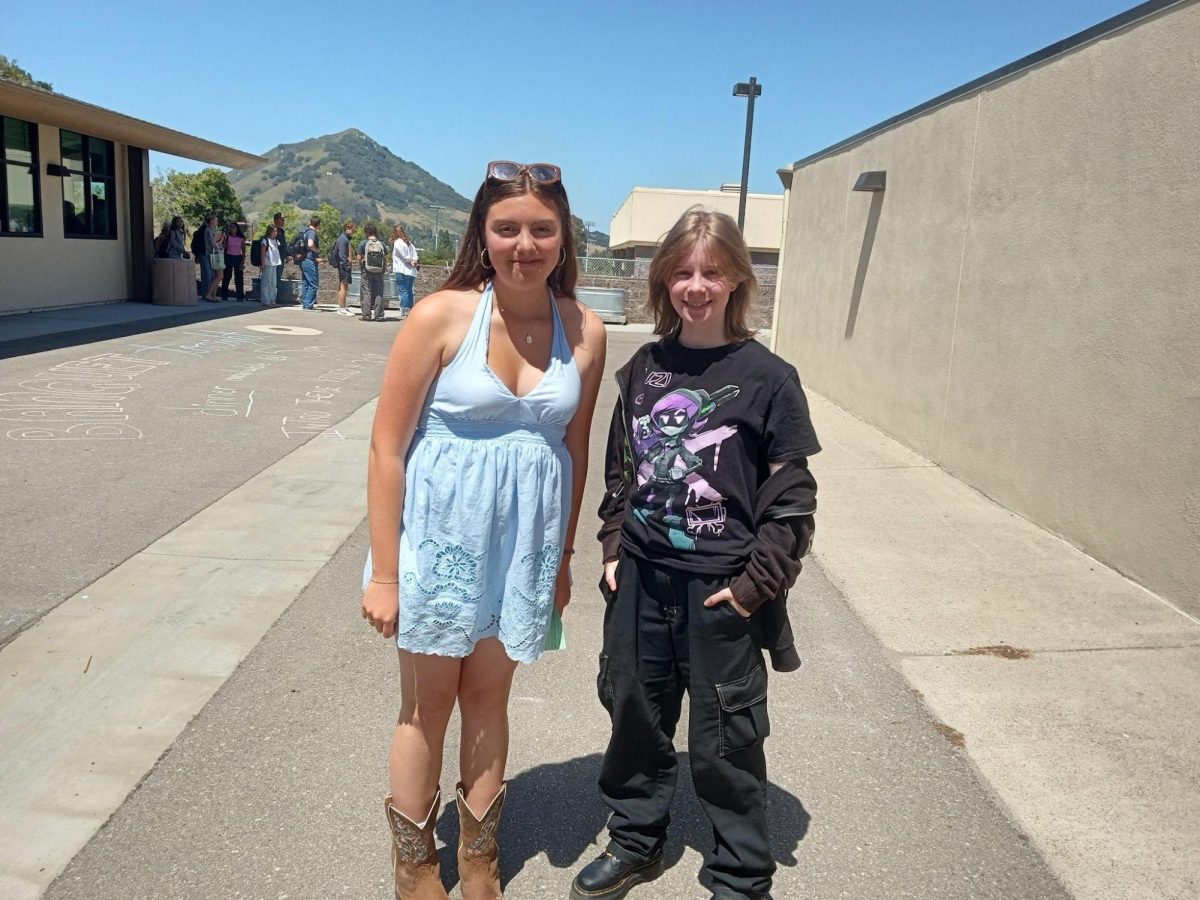
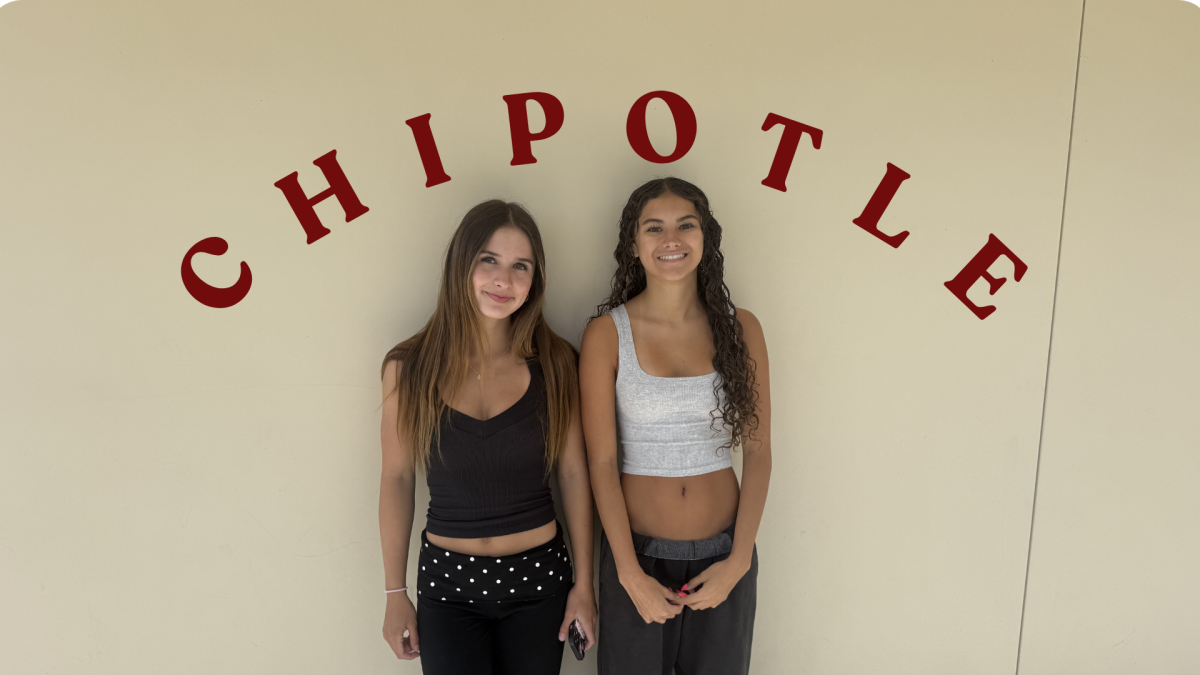
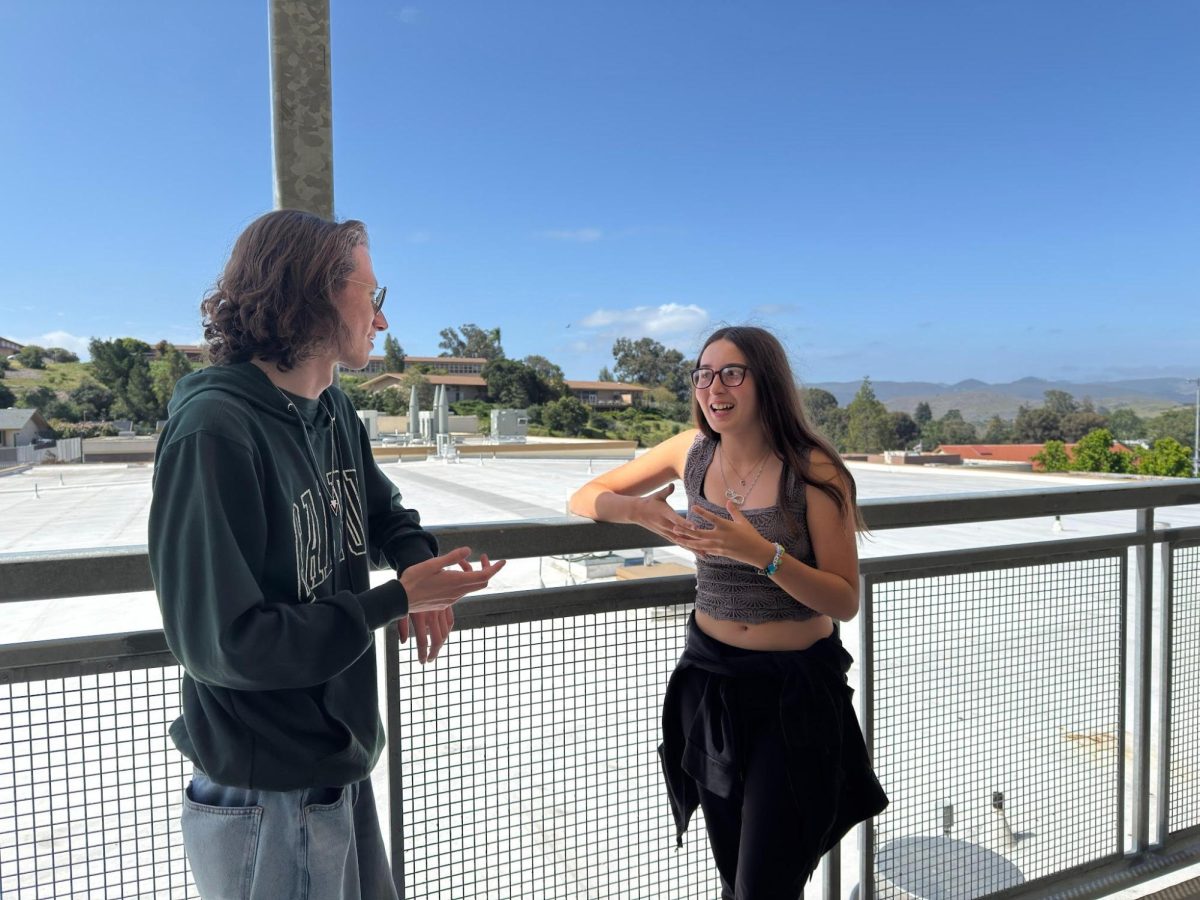
San Luis Obispo High School students Gigi Habar, Santiago Baltodano, and Eve Greenwood are key members of the school’s Model United Nations club. Through Model UN, they step into the roles of world leaders, debate real global issues, and work with other students to create possible solutions. Instead of reading about international conflicts and policies in a textbook, members actively research countries, speak in committees, and practice diplomacy.
For students at San Luis Obispo High School, Model UN is more than just a club; it’s a chance to build confidence, strengthen public speaking skills, and better understand the world around them.
Expressions: What is Model United Nations, and how would you explain it to someone who’s never heard of it?
Freshman Gigi Habar: Model United Nations is a club where students represent different countries or historical figures in simulated United Nations committees to debate solutions to world problems.
Junior Santiago Baltodano: Model UN is basically a simulation of the United Nations, which is one of the most important organizations in the world for foreign affairs and geopolitics. In Model UN, students act as representatives from different countries in specific committees in order to reach agreements about global conflicts and problems.
Senior Eve Greenwood: Model UN is a debate competition club in which students go to a variety of conferences at colleges and take the perspective of a country in the UN. In committee, we pass resolutions and debate on real world issues relevant to current events. It’s a great opportunity for people looking to improve their public speaking, get out of their comfort zone, and become more knowledgeable about global politics.
Expressions: What inspired you to join MUN?
Habar: I joined Model UN because it seemed like a good way to improve my public speaking and learn about problems in the world while also being part of the school community.
Baltodano: I joined Model UN firstly because of my interest in geopolitics and international relations, and also because I wanted to improve my public speaking skills.
Greenwood: I was first in HMC, a club similar to MUN, which instead focuses on the US Congress, and I enjoyed my experience. When I found out a Model UN club was being created, I joined because I wanted to get more involved with clubs like HMC and become more knowledgeable on global affairs. Since then, I’ve also come to value it for the connections and friends I’ve made as a debater and officer and the new perspectives I’ve gotten to embody.
Expressions: What does a typical conference look like?
Habar: A typical conference includes one or two problems that need to be addressed, and then is followed by a structured debate with the goal of writing a resolution to help solve the problems.
Baltodano: Conferences vary in size and configuration, but they are generally split into various sub-groups of the UN that focus on specific topics. For example, UNICEF focuses on protecting the safety of children, and UNCTAD has to do with protecting trade between countries.
Greenwood: You wake up pretty early and spend the morning memorizing your speeches and having fun in your hotel room. Then, you go into committee and get started almost right away on getting into “blocs” (people with similar ideas to you) and giving speeches. After about 2 hours, you’re free to go out and explore the campus or city, and then you are due back after an hour and a half, typically. This repeats until dinner, when you have fun with your friends at a local restaurant and head back to your rooms. I’ve had a lot of fun at conferences, goofing off at the hotel and taking late night walks. This repeats the next day, and you head home after awards.
Expressions: What skills do students develop by participating in Model UN?
Habar: Model UN is a good way to improve confidence in public speaking as well as the ability to come up with effective solutions to problems quickly, and make good arguments to support them.
Baltodano: A lot more than people may think. The obvious skills you gain are public speaking and knowledge of foreign affairs. But you also gain critical skills of collaborating with other people, and thinking on your feet. MUN conferences are often fairly unpredictable, so you will learn to be adaptable and open-minded to fast-paced, changing environments.
Greenwood: Mainly learning to improvise, being a leader and collaborator in a large group setting, and giving entertaining speeches. I think the most valuable skill has been learning to put myself in a place where I may not succeed (and will likely horrifically fail) and doing it anyway. It took me three conferences before I started actually improving, but it was very worth it as I learned a lot along the way.
Expressions: How does Model UN prepare students for college or future careers?
Habar: Model UN prepares students for college by giving them positive experiences in public speaking, and giving them a chance to effectively research and debate about things.
Baltodano: Model UN teaches skills that are good to have for many majors in college, but especially so for people who want to work in politics, law, business, or economics. Basically, anything you can think of that has a global impact, Model UN is probably related to it in some way.
Greenwood: The conference requires a lot of responsibility. Before actually going to it, you have to submit a position paper, which is essentially a condensed research paper, in order to be considered. I’ve had moments with my friends where we are in the hotel room the night before, still awake at 11:58 pm, and only then submitting our papers. That definitely taught me a lesson about deadlines and not underestimating them, which I think is valuable for college. Also, there’s a lot of practice for networking in Model UN, and it’s what taught me how to small talk and make fast connections. At the last conference, Graham Teitge, the other co-president, decided to take me with him on a goal to shake every single person at the conference’s hand. We got some weird looks, but I think we achieved our goal.
Expressions: Has being in Model UN changed the way you view global issues? If so, why?
Habar: Being in Model UN has made me see how much goes into every problem, and how things need to be considered from multiple perspectives to find a solution that really works for everyone.
Baltodano: It really opened my eyes to how many things are happening across the world in different countries. Every country has a very clear stance on every single issue, and by researching and arguing for many different countries in the UN, you are opening your eyes to new viewpoints and immersing yourself in real problems beyond just your community or your country.
Greenwood: Definitely. Before MUN, I had a pretty rigid world view in regards to global politics, but being in the club has allowed me to see the contexts and nuances behind the decisions countries make, and also the places for improvement in global politics that most countries agree on.
Expressions: What advice would you give to new members?
Habar: I would tell new members to be confident in themselves and what they are saying, because they can’t get better without trying in the first place.
Baltodano: The initial fear of speaking up in conference is the hardest part! Once you can get over that barrier, you will realize that it is easy to get into a rhythm during a conference, and that will benefit you greatly. Also, make sure to do your pre-conference assignments, because they will greatly help with your research and preparation.
Greenwood: For me, it’s helpful to adopt a version of yourself to bring out in competition that is the “public speaking you”. I’m a naturally more introverted person, so I had to learn to set aside all of my nerves and reservations about talking to a lot of people and speaking to be successful at MUN. Everyone has a brave side, and the magic of tapping into that is being able to put away all your worries and focus only on competing and doing your best.
Overall, Model United Nations at San Luis Obispo High School gives students a chance to do more than just learn about world issues from a textbook. By debating, researching, and working together at conferences, students like Gigi Habar, Santiago Baltodano, and Eve Greenwood build confidence and strengthen their communication skills. They’ve learned how to think quickly, consider different perspectives, and speak up even when it feels intimidating. Model UN helps students grow, not just in school, but as individuals who better understand the world around them and make their voices heard.